Understanding the factors that affect motor durability is crucial for global buyers. According to Dr. Emily Chen, a leading expert in motor engineering, "The longevity of a motor depends on material quality, design, and usage conditions." This statement encapsulates the essence of what influences motor performance over time.
One key factor is the materials used in construction. High-quality metals and insulation can significantly enhance durability. On the flip side, using inferior materials may lead to quicker wear and tear. Another aspect involves design considerations. Motors are often subject to thermal and mechanical stress. A well-designed motor can manage these pressures better than a poorly engineered one. Additionally, operational conditions play a vital role. Environments with excessive dust, moisture, or heat shorten a motor's lifespan.
Despite advancements in technology, many buyers overlook maintenance and usage practices. Regular inspection and proper handling can mitigate risks. Realizing these nuanced factors behind what affects motor durability is essential for making informed purchasing decisions. Ignoring them could lead to costly consequences.
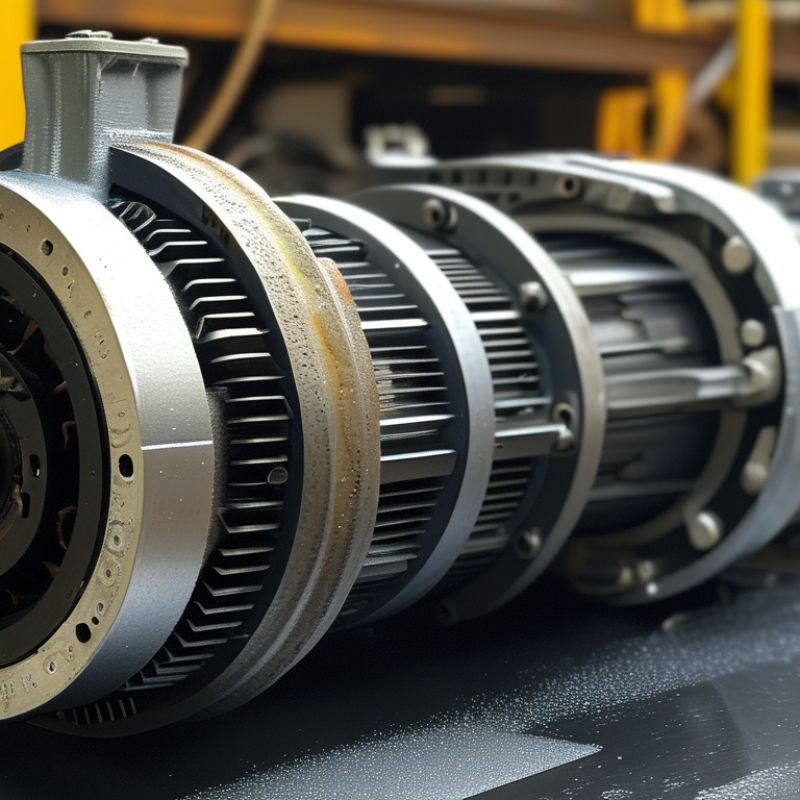
Motor durability is significantly influenced by the materials selected for manufacturing. The choice often hinges on factors such as resistance to wear, thermal stability, and environmental conditions. For instance, metals like steel and aluminum are frequently utilized due to their strength and heat tolerance. However, they can be prone to corrosion without proper treatment. Additives can improve these materials, yet they may introduce complexities during production.
Beyond metals, composites are gaining traction. These materials combine elements such as fibers and resins to enhance durability while reducing weight. They are often more resistant to environmental stressors. However, the variability in composite quality raises questions about consistency. Not every supplier can guarantee the same performance standards.
Manufacturers must also consider cost-effectiveness. Cheaper materials may offer short-term savings but can lead to higher replacement frequency or repairs. This balance requires careful assessment. Stakeholders must weigh immediate budget constraints against long-term durability needs. Ultimately, selecting the right material involves navigating a landscape of options, each with its strengths and limitations.
This chart illustrates the various factors that influence motor durability, highlighting the importance of material quality, environmental resistance, and other criteria in enhancing performance.
Design engineering plays a critical role in enhancing motor durability. Research indicates that motors designed with robust materials can extend their lifespan by up to 30%. In addition, attention to thermal management is vital. Motors operating at lower temperatures tend to last longer. For example, a well-implemented cooling system can reduce the operating temperature by 15%, significantly impacting longevity.
Another crucial aspect is the precision in engineering tolerances. Tight tolerances can minimize wear and tear during operation. Studies have shown that motors with precise dimensional controls can improve performance and reliability. Furthermore, vibration analysis during the design phase can help identify potential failure points. Approximately 60% of motor failures are due to vibrations that can be mitigated through thoughtful engineering.
Moreover, iterative design processes enhance motor performance. Continuous testing and feedback loops enable engineers to refine designs based on real-world conditions. However, it's essential to recognize that even the most meticulous designs can fall short. Unexpected environmental factors may still affect motor lifespan. Acknowledging these uncertainties can lead to more resilient future designs.
| Factor | Impact on Durability | Performance Metrics | Design Engineering Input |
|---|---|---|---|
| Material Quality | High strength and resistance to wear | Tensile strength, hardness | Selection of high-grade alloys and coatings |
| Thermal Management | Prevents overheating and failure | Operating temperature range | Integration of heat sinks and cooling systems |
| Electrical Efficiency | Reduces energy loss during operation | Efficiency percentage, power factor | Optimized winding design and materials |
| Precision Engineering | Enhances operational stability | Vibration levels, alignment accuracy | Use of CAD tools and CNC machining |
| Assembly Techniques | Affects mechanical integrity | Assembly tolerance findings | Implementation of automated assembly processes |
The operating environment plays a significant role in motor durability. Factors like temperature, humidity, and dust levels can greatly influence wear and tear. For instance, motors in high-temperature settings often face accelerated degradation. According to a recent study, motors can lose up to 20% of their lifespan if operating continuously above their rated temperature.
Additionally, moisture can lead to corrosion and short circuits. In areas with high humidity, protective coatings may only last a few years. The same report indicates that motors exposed to wet conditions can experience double the wear compared to those in drier settings. Dust and dirt accumulation is another concern. In industrial environments, contaminants can infiltrate motors and lead to overheating and efficiency loss.
It's crucial to understand how these factors interact. For instance, a motor in a dusty, humid environment will encounter compounded risks. Buyers must consider these environmental impacts seriously. They should also evaluate the need for regular maintenance schedules that account for these conditions. This approach could enhance motor longevity and reliability. Ultimately, awareness of the operating environment is essential for optimizing motor performance.
When it comes to motor durability, proper maintenance practices play a crucial role for global applications. Regular inspections can identify potential issues before they escalate. For instance, a study by the International Electrotechnical Commission highlighted that neglecting maintenance can reduce motor lifespan by up to 30%. This data emphasizes the importance of proactive care, such as checking for wear and tear and ensuring proper lubrication.
Incorporating predictive maintenance strategies can also significantly enhance motor longevity. According to a report from the Global Industry Analysts, leveraging IoT technology for real-time monitoring can improve motor efficiency by 25%. However, implementing such technologies may pose challenges for some organizations, requiring time and resources for training and integration.
Operational factors, such as load management and environmental conditions, further influence motor performance. Overloading motors can lead to premature failure, as noted in a recent report from the National Renewable Energy Laboratory. Additionally, keeping motors clean and free from dust and moisture can extend their life, a basic yet often overlooked practice. The conversation around maintenance practices is ongoing, and it’s evident that balanced approaches yield the best results.
Technological advances in motor manufacturing have significantly improved durability, a key concern for global buyers. Reports suggest that materials engineering plays a critical role. Innovative composites now withstand higher stresses and temperatures. This can extend motor life by 25% in many applications.
Vibration resistance is another focus area. New manufacturing techniques like precision machining enhance the fit and finish of motor components. A 2022 industry study indicated that improved alignment in assemblies can reduce wear by up to 30%. However, it’s important to recognize that these advancements do not come without challenges. The integration of new technologies may lead to increased production costs.
Consider investing in training for staff. Educated technicians can better understand how to maintain these advanced motors. Good maintenance practices can further enhance durability. Monitoring performance metrics proactively is also essential. It can help prevent unexpected failures and extend motor lifespan significantly. Balancing costs and durability remains a primary challenge for manufacturers globally, requiring constant adaptation and innovation.
: Material choices depend on wear resistance, thermal stability, and environmental conditions.
Metals like steel and aluminum offer strength and heat tolerance.
Metals can corrode without proper treatment, leading to durability issues.
Additives enhance material properties, but they can complicate the production process.
Composites are lighter and more resistant to environmental stressors compared to traditional materials.
Variability in composite quality can cause consistency issues among different suppliers.
Cheaper materials may save money initially but can result in frequent repairs or replacements.
Regular inspections and proper lubrication are essential for motor longevity.
Predictive maintenance uses technology to identify issues early and improve motor efficiency.
Load management and cleanliness are critical to preventing premature motor failure.
The article "What Factors Impact Motor Durability for Global Buyers?" explores various elements that influence motor longevity and performance. It delves into how material selections can enhance durability, emphasizing the importance of choosing robust materials to withstand operational challenges. The role of design engineering is crucial, as innovative designs can significantly improve a motor's resilience against wear and tear.
Additionally, the article examines the impact of the operating environment on motor wear, highlighting how different conditions can affect motor lifespan. It also discusses effective maintenance practices that extend motor life in global applications and reviews technological advances in motor manufacturing that contribute to improved durability. Together, these insights provide a comprehensive understanding of what factors affect motor durability, guiding buyers in their decision-making process.

KPM Minimoto