Mini DC motors are essential components in various applications. But, what is a mini DC motor? These small devices convert electrical energy into mechanical energy. They are popular in robotics, hobby projects, and consumer electronics. According to a recent market report by ResearchAndMarkets, the global mini DC motor market is expected to reach $3 billion by 2026. This growth indicates their rising importance in modern technology.
When selecting a mini DC motor, several factors should be considered: size, voltage, torque, and efficiency. For example, small-scale robotics often requires motors that are lightweight yet powerful. An improperly chosen motor can limit project performance. Quality and reliability are key, given that not all manufacturers meet industry standards. Some motors may fail under load, highlighting the need for careful evaluation.
Understanding mini DC motors helps users make informed choices. Reports indicate that consumers often overlook specifications, leading to suboptimal selections. Reflecting on these insights can improve project outcomes significantly. As the industry evolves, staying updated on the latest advancements is crucial. The right mini DC motor can make a noticeable difference in efficiency and effectiveness.
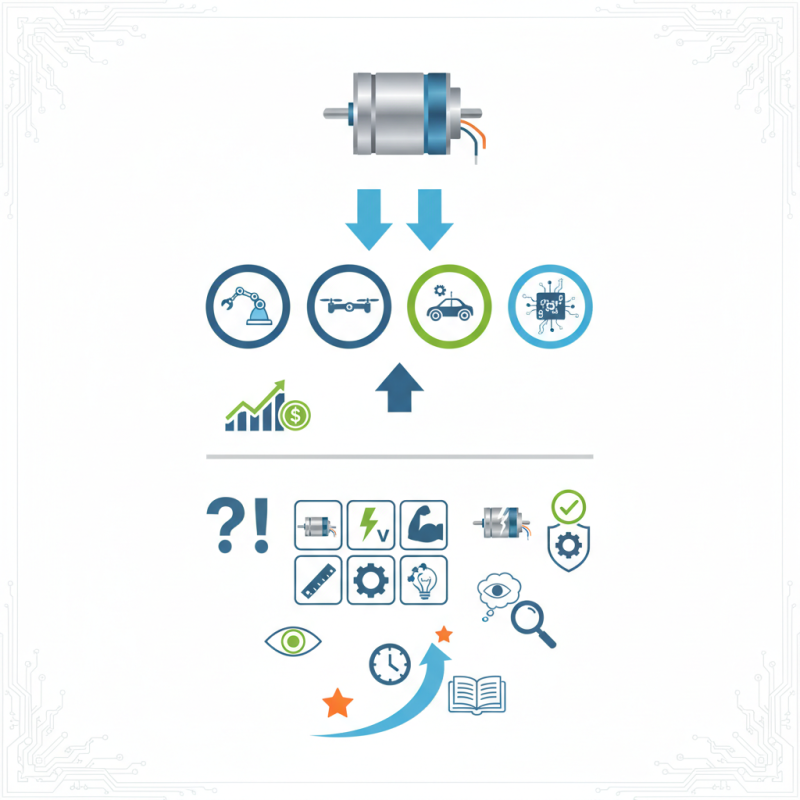
Mini DC motors are compact devices that convert electrical energy into mechanical motion. They are essential in various applications, from toys to appliances. Their functionality is based on the principle of electromagnetic induction, where a magnetic field interacts with a coil of wire. This interaction generates rotation, enabling the motor to perform work.
Choosing the right mini DC motor can be challenging. Factors to consider include voltage, torque, and RPM. Understanding these parameters is crucial for optimal performance. Sometimes, people overlook the importance of the motor’s size. A smaller motor might not provide enough power for heavy tasks. On the other hand, a larger motor may not fit in compact spaces. Thus, balancing power and size is vital.
A common mistake is assuming all mini DC motors behave the same. Variations exist in design and function, which can lead to unexpected results. Conducting careful research before purchase is key. Reliable sources can guide you through this complex landscape. When in doubt, consulting experts can provide clarity and confidence in your choice.
When selecting mini DC motors, understanding key features is essential. Motor size affects the applications. Smaller motors are ideal for compact devices, while larger ones provide more power. Pay attention to the voltage requirements as well. Ensure the motor matches your system’s voltage to avoid damage.
Speed and torque are crucial metrics too. They determine how fast and how much weight a motor can handle. A high-speed motor is beneficial for quick tasks. However, it may sacrifice torque. Some projects might need a balance between these two factors. This can lead to trial and error.
**Tips:** Always check the motor’s RPM rating. A higher RPM means faster operation but less torque. Don’t overlook the mounting and shaft design. They must fit your application precisely to avoid misalignment. Remember, every motor behaves differently. Testing can provide insights into how well a motor performs under specific conditions.
| Motor Type | Voltage (V) | Speed (RPM) | Torque (g.cm) | Size (mm) | Weight (g) |
|---|---|---|---|---|---|
| Coreless Motor | 6 | 20,000 | 120 | 25 x 20 | 15 |
| Brushed Motor | 12 | 10,000 | 250 | 28 x 24 | 30 |
| Stepper Motor | 5 | 1,200 | 50 | 30 x 30 | 25 |
| Planetary Gear Motor | 6 | 5,000 | 180 | 30 x 25 | 40 |
| Brushless Motor | 12 | 20,000 | 300 | 22 x 18 | 20 |
| High Torque Motor | 9 | 3,000 | 500 | 32 x 28 | 60 |
| Micro Motor | 1.5 | 4,500 | 75 | 20 x 15 | 10 |
| High Speed Motor | 12 | 25,000 | 100 | 29 x 22 | 35 |
| Low Noise Motor | 6 | 6,000 | 150 | 27 x 21 | 25 |
| Geared Motor | 12 | 800 | 300 | 33 x 28 | 50 |
Mini DC motors play a crucial role in various applications,
from robotics to consumer electronics. Their compact size makes them ideal for limited spaces.
According to industry reports, the global market for mini DC motors
is projected to grow by 6.3% annually. This growth underscores
their significance in modern technology.
When selecting a mini DC motor, consider critical specifications.
Factors like voltage, torque, and
speed are essential. Depending on your project, a motor
with higher torque may be necessary. Motors typically operate within a voltage range of 3V to 24V.
Understanding these specifications can help you avoid potential performance issues.
Another key aspect is efficiency. A less efficient motor may lead to
overheating or short lifespans. Reports indicate that motors could lose up to 30%
of their energy through heat. It’s important to choose models designed for optimal performance.
Additionally, think about how the motor’s size aligns with your design needs. An inadequate size can limit flexibility.
Mini DC motors are versatile components found in various industries. Their applications span across consumer electronics, automotive, robotics, and medical devices. In consumer electronics, mini DC motors are pivotal for toys and small appliances. They provide the necessary movement while maintaining compact sizes. According to a market research report by Future Market Insights, the global mini DC motor market is expected to reach nearly $3 billion by 2027, reflecting the growing demand for automation in everyday products.
In the automotive sector, mini DC motors are used in power windows, seat adjustments, and windshield wipers. Their reliability and efficiency are critical. The automotive industry is projected to account for 25% of the mini motor market share by 2025, driven by advancements in vehicle technology. This is significant when considering that over 75 million vehicles were produced globally in 2022.
Despite the growth, challenges persist. The need for precise control and durability can strain production processes. Manufacturers must continuously innovate to improve efficiency and reduce costs. This complexity underlines the importance of thoroughly testing mini DC motors before deployment. Testing ensures that that these motors meet the rigorous demands of their applications.
Choosing the right mini DC motor for your project can be challenging. Understanding the specifications is crucial.
First, consider the voltage rating. This affects performance and compatibility with your power source. Most mini DC motors operate between 3V and 12V. Ensure your voltage aligns with these figures to avoid burnout.
Next, look at the motor's RPM, or revolutions per minute. RPM defines how fast the motor can rotate. Higher RPM means faster speeds, but it could reduce torque. Understanding the torque requirements of your project is essential. If the load is heavy, opt for a motor with higher torque ratings.
Consider the size and weight as well. A compact motor may fit better in tight spaces, yet that can impact power output.
Lastly, don't ignore the durability. Some motors may fail under continuous use. Reading user reviews and technical documentation can offer insight. Reflect on how often you will use the motor. This helps assess if a more robust option is worth the investment. If possible, test motors in real-life conditions. This will guide your decision significantly.
: Consider motor size, voltage requirements, speed, and torque. These factors affect performance and application suitability.
Smaller motors suit compact devices, while larger motors offer more power. Choose based on your space requirements.
Speed determines operation quickness, while torque indicates weight capacity. A balance between them can be necessary for specific tasks.
Higher RPM means faster operation but may reduce torque. Always check RPM ratings for effective performance.
Less efficient motors can overheat and have shorter lifespans. Select models designed for optimal performance to avoid issues.
They are found in consumer electronics, automotive, robotics, and medical devices, showcasing their versatility in many sectors.
Testing ensures that motors meet specific application demands. It helps identify performance issues before deployment.
Manufacturers must innovate for better efficiency and reduced costs, while also maintaining precise control and durability.
Yes, an inadequate size may limit design options. Ensure motor dimensions align with your project requirements.
Understand specifications like voltage, torque, and efficiency. Thorough testing can also help prevent potential problems.
Mini DC motors are compact, efficient electrical devices that convert electrical energy into mechanical energy. These motors are widely used in various applications due to their small size and lightweight design. Understanding what is a mini DC motor involves recognizing its key features, such as voltage range, torque, speed capabilities, and dimensions, which are essential factors to consider when selecting the right motor for a specific project.
When choosing a mini DC motor, it's important to consider its application in different industries, ranging from robotics to consumer electronics. Evaluating the specifications of top mini DC motors can aid in identifying the best fit for your needs. Ultimately, making an informed decision involves analyzing performance characteristics and compatibility with your project requirements, ensuring optimal functionality and efficiency.

KPM Minimoto