Selecting the right motor for an application requires careful consideration of various factors, one of which is torque. But why is torque important in motor selection? Torque, the rotational force produced by a motor, plays a crucial role in determining a motor's performance and suitability for specific tasks. According to the International Electrotechnical Commission (IEC), motors with insufficient torque can lead to inefficiency and premature failure, costing industries millions in downtime and repairs.
In applications such as manufacturing, robotics, and automotive, the demand for precise torque performance is paramount. A study by the National Electrical Manufacturers Association (NEMA) highlights that a motor's torque characteristics significantly impact its ability to handle load variations. Insufficient torque can cause overheating or stalling, while excessive torque may lead to mechanical strain on components. The right balance is essential for optimal operation.
Moreover, anecdotal evidence from industry professionals suggests that overlooking torque specifications can result in project delays and increased operational costs. In some cases, underestimating torque needs has led to subpar performance, forcing companies to reevaluate their selections. Understanding why torque is important in motor selection ultimately enables better decision-making, ensuring that the selected motors align with performance expectations and operational demands.
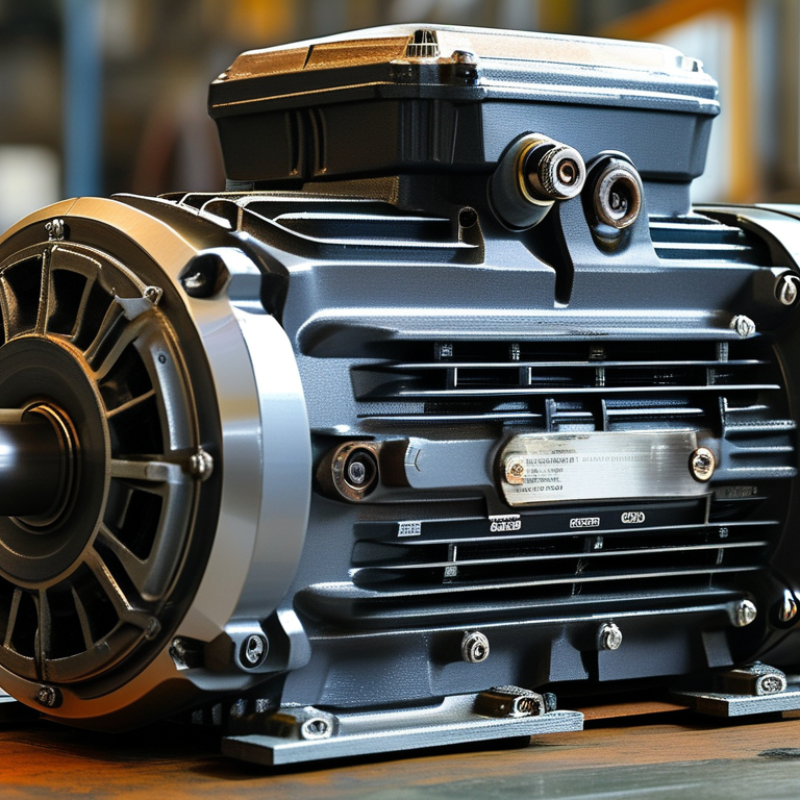
Importance of Torque in Motor Performance
Torque is a critical factor in motor performance. It directly impacts how effectively a motor executes its intended tasks. For instance, in electric motors, torque determines the initial acceleration and load carrying capacity. A report by the International Electrotechnical Commission (IEC) indicates that motors with a higher torque rating can handle heavier loads with greater efficiency, reducing energy consumption by up to 20% in industrial applications.
Understanding torque is essential for applications like robotics and conveyor systems. In these settings, the required torque must match the load to prevent stalls or failures. It's noteworthy that many users tend to underestimate torque requirements, leading to operational inefficiencies. Research shows that 30% of system failures stem from improper torque calculations. This oversight can lead to increased maintenance costs and reduced productivity.
Reliable torque data helps engineers make informed decisions when selecting motors. Torque ratings must be evaluated alongside other metrics like speed and power. Different designs exhibit varying torque characteristics, which can result in suboptimal performance if misapplied. Ultimately, the appropriate torque selection plays a vital role in maximizing operational effectiveness and ensuring system reliability.
Understanding Torque and Its Role in Motor Selection
Torque plays a crucial role in motor selection. It is the force that causes an object to rotate. Understanding torque can significantly enhance motor efficiency and performance. When choosing a motor, considering its torque characteristics helps optimize the application it will serve. For instance, applications like conveyors need a specific torque to move heavy loads effectively.
Motor selection often involves balancing torque with speed. Sometimes, a motor may provide high speed but lacks sufficient torque. This can lead to inadequate performance in real-life scenarios. In contrast, a motor with the right torque can ensure smooth operation. It's essential to assess how torque impacts overall functionality in various applications.
Additionally, it’s interesting to note how torque varies across different motors. Some specialized motors excel in low-torque applications but fall short in high-torque situations. Evaluating torque requirements allows for tailored solutions, ultimately leading to better outcomes. It also prompts reflection on what specific torque levels are necessary for individual needs. Each application may require a unique approach to ensure efficiency and reliability in its operation.
Factors Influencing Torque Requirements in Applications
When selecting a motor, understanding torque requirements is crucial. Different applications demand different torque levels. For example, a conveyor belt needs high starting torque to overcome inertia. In contrast, a fan operates effectively at lower torque levels. Matching the motor's torque to application needs ensures efficiency and longevity.
Several factors influence torque requirements. Load characteristics play a significant role. A heavy load typically requires more torque for acceleration. Additionally, the operating speed impacts torque needs. High-speed applications may require different settings and adjustments. Environmental conditions also matter, as extreme temperatures can affect motor performance.
Selecting the right motor based on torque is not straightforward. Often, engineers must test various configurations. Real-world performance may differ from theoretical calculations. This highlights the importance of practical knowledge and experience in the field. It’s essential to analyze both the needs and conditions to make informed decisions.
How Torque Affects Efficiency and Reliability of Motors
Torque plays a vital role in motor selection. It directly impacts the efficiency and reliability of motors. High torque values ensure that a motor can handle heavy loads without excessive strain. This is crucial in applications ranging from industrial machinery to electric vehicles. A motor with insufficient torque may stall or perform inconsistently. This can lead to prolonged downtime and increased maintenance costs.
The relationship between torque and efficiency is often overlooked. A motor that operates in its optimal torque range will consume less energy. This results in lower operating costs over time. For example, a well-chosen motor will use power effectively even under varying load conditions. However, if a motor is under or over-torqued, its overall efficiency drops. This can cause overheating and reduce the overall lifespan of the motor.
Reliability also hinges on torque characteristics. Motors designed for high torque can endure challenging conditions. Yet, continually pushing a motor beyond its torque limits can lead to failures. Careful consideration of torque specifications is essential during the selection process. Choosing the right motor based on torque requirements can prevent these pitfalls. It ensures that the system runs smoothly and efficiently for years.
The Relationship Between Torque and Motor Lifespan
Torque plays a critical role in motor selection, directly influencing motor lifespan. Motors with inadequate torque may struggle, leading to overheating and premature failure. Studies indicate that an estimated 50% of motor failures are due to insufficient torque. This highlights the importance of matching torque requirements with operational demands.
Moreover, torque affects energy efficiency. A motor operating below its optimal torque range can consume up to 30% more energy. This not only impacts operational costs but also contributes to increased wear and tear. Monitoring torque levels can help identify when a motor is stressed. Regular maintenance and adjustments can extend a motor's service life significantly.
In practical applications, properly sized motors can last three to five times longer. Yet, many industries overlook this aspect, often opting for cheaper, underperforming alternatives. The consequences can be severe, leading to unplanned downtime and costly repairs. Evaluating torque needs carefully can prevent these issues, ensuring reliability and efficiency in motor operations.
FAQS
: Load characteristics, operating speed, and environmental conditions all play significant roles in determining torque needs.
Insufficient torque may cause motors to stall and perform inconsistently, leading to increased maintenance and downtime.
Operating a motor within its optimal torque range minimizes energy consumption, reducing overall operating costs.
Continual over-torquing can lead to motor failures and decrease reliability over time.
Regularly checking torque levels can help identify stress, allowing for maintenance that extends service life.
Using underperforming motors often leads to unplanned downtime and costly repairs.
Some industries overlook torque needs in favor of cost, but this can result in significant long-term expenses.
Environmental conditions, including extreme temperatures, can negatively impact motor performance and torque efficiency.
Motors with insufficient torque often require more frequent maintenance, increasing overall costs.
Yes, torque needs can change depending on load conditions and operational demands throughout motor use.
Conclusion
Torque plays a crucial role in motor performance, influencing various aspects of motor selection. Understanding why torque is important in motor selection is essential for optimizing applications. It is the force that enables a motor to perform work effectively, and its significance extends to factors such as application requirements, efficiency, and reliability. Different applications may demand varying torque levels, which necessitates careful consideration during the motor selection process.
Furthermore, the relationship between torque and motor lifespan cannot be overlooked. Proper torque management not only maximizes efficiency but also prolongs the reliability of motors, reducing the need for frequent maintenance or replacements. By recognizing the importance of torque, engineers and designers can ensure that they select the most appropriate motor for their specific needs, ultimately leading to enhanced performance and durability.

 KPM Minimoto